St Bernadette's Catholic Primary School
History
Intent
At St Bernadette's, our history curriculum is designed to ignite pupils' curiosity about the past. We aim to develop a coherent knowledge and understanding of Britain’s past and that of the wider world. Through engaging lessons, we encourage critical thinking and foster an appreciation for diverse cultures and societies. Pupils will learn to ask perceptive questions, think critically, weigh evidence, and develop perspective and judgement. Our curriculum is structured to build chronological understanding and key historical concepts, preparing pupils to engage with the world with a well-rounded historical awareness.
Our intent is to ensure that all pupils:
- Develop strong historical knowledge: Pupils will gain a coherent knowledge and understanding of Britain’s past and that of the wider world, leading to informed perspectives on contemporary society.
- Promote critical thinking skills: We aim to instill the ability to ask perceptive questions, think critically, and assess evidence, enabling pupils to make connections across different historical narratives.
- Understand diversity and heritage: The curriculum will promote an understanding of the diverse cultures and contributions that characterise our history, fostering respect and empathy for different beliefs and traditions.
- Engage with Historical enquiry: Through a well-structured curriculum, pupils will engage with historical sources, participate in investigations, and develop their own narratives based on evidence, becoming young historians in their own right.
- Connect with Local History: We aim to root our history curriculum in the local context, helping pupils relate national stories to their own community, thereby strengthening their sense of identity and belonging.
Implementation
To achieve these objectives, we have developed a carefully sequenced History curriculum across all year groups which includes:
- Structured curriculum framework: Our curriculum is designed in accordance with the National Curriculum, encompassing a wide range of themes, from ancient civilisations to modern history, ensuring progression and depth in historical understanding. It is adapted to meet the varying strengths and needs of all pupils.
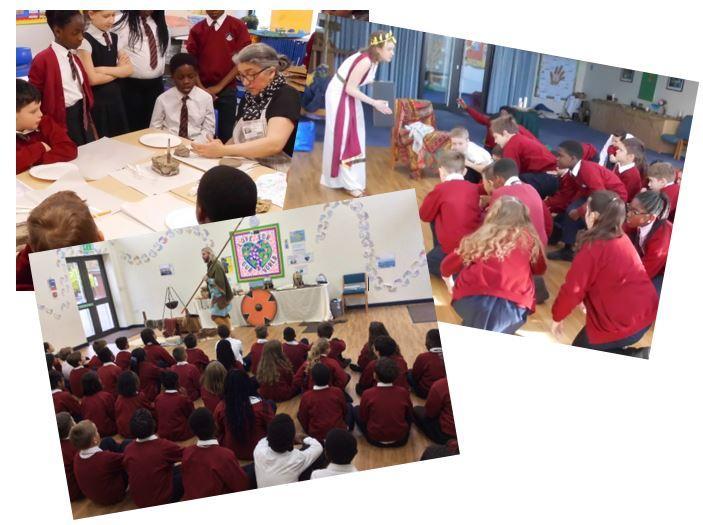
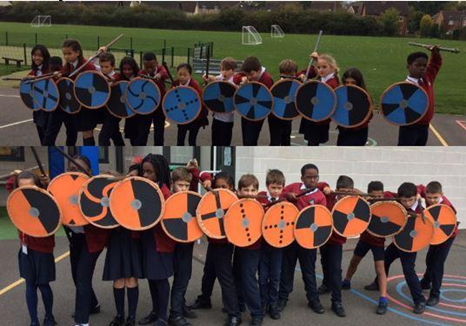
- Engaging learning experiences: We implement a variety of teaching methods, including interactive lessons, storytelling, role-play and the use of digital resources. This diversity caters to various learning styles and maintains high levels of engagement among pupils.
- Historical skill development: We explicitly teach key historical skills such as analysing primary and secondary sources, understanding chronology, and recognising cause and consequence. These skills are revisited and built upon throughout the pupils’ time at school.
- Cross-Curricular links: History topics are intertwined with other subjects, reinforcing knowledge across the curriculum. For example, historical themes may be explored through artistic projects, scientific advancements, or literature, enriching the overall learning experience.
- Enrichment: We provide pupils with opportunities to visit historical sites such as Bletchley Park and Bradwell Abbey related to their learning, enhancing their understanding through real-world experiences. Guest speakers and local historians are also invited to share expertise and personal narratives.
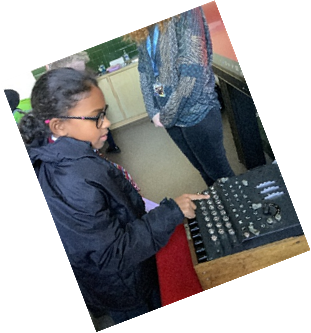
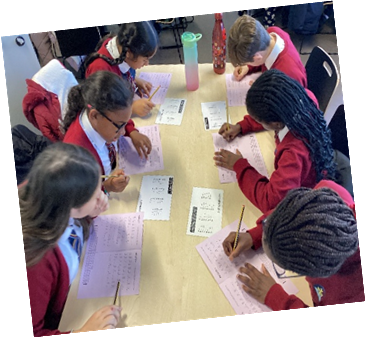
- Regular assessment and feedback: Teachers assess pupils’ understanding and skills through formative assessments, including discussion and pre-assessments, ensuring that every child receives the support they need. Summative assessments, which include post-topic assessments, provide a clear picture of pupil progress and areas for improvement.
Impact
The impact of our history curriculum is measured through:
- Pupil engagement and enthusiasm: We observe increased interest in historical topics, evidenced by pupil-led projects, discussions, and a desire to participate in history-related extracurricular activities.
- Deeper understanding of historical contexts: Through regular assessments and assignments, pupils demonstrate a coherent understanding of key historical concepts and events, as well as an ability to articulate how these relate to their own lives, their own prior learning and current society.
- Critical analytical skills: Pupil work shows an increasing ability over time to critically evaluate different historical interpretations and sources, reflecting their growth as independent thinkers who can construct and defend their viewpoints.
- Cultural awareness and respect: Pupil voice surveys and discussions indicate that pupils exhibit a stronger appreciation for cultural diversity, understanding the importance of heritage and the lessons history teaches about tolerance and coexistence.
Overall, we believe that our history curriculum enriches the educational experience of every pupil, preparing them to become informed, responsible citizens of the future.
You can view the EYFS Understanding the World - Past and Present Curriculum Overview Below:
History Progression Document Key Stage 1
History Progression Document Lower Key Stage 2
History Progression Document Upper Key Stage 2